
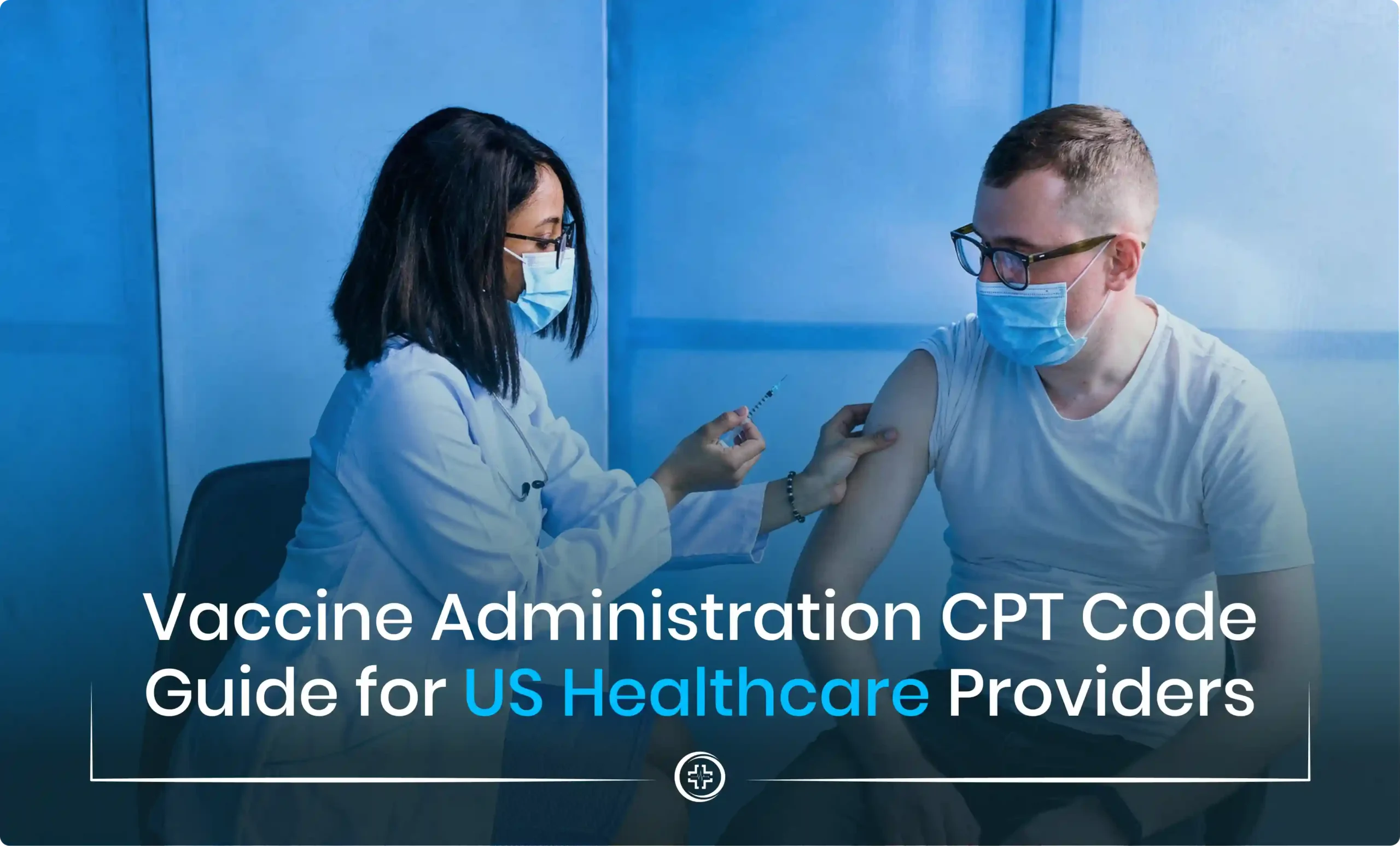
Vaccines are a part of preventive healthcare in the United States. Clinics, family practices, and urgent care centers provide immunizations every day. Accurate billing against the vaccinations correctly is not always simple.
Payment delays happen because providers do not understand the vaccine administration cpt code and how it connects with documentation and payer rules.
This guide explains billing concepts clearly so medical and billing staff can work together with confidence.
Understanding Vaccine Administration CPT Code in Medical Billing
In medical billing, the vaccine itself and the act of giving it are treated as two separate services. The vaccine product is billed using a product code. The service of giving the vaccine is billed using the vaccine administration cpt code.
Insurance companies, including Medicare and commercial payers, require this separation. They review claims based on procedural accuracy, clinical notes, and medical necessity. If the administration service is missing or incorrect, reimbursement may be reduced or denied.
Why Accurate Coding Matters for Revenue Cycle Management
Accurate coding supports the entire revenue cycle. When the vaccine administration cpt code is selected correctly, claims move smoothly through payer systems. Payments are processed faster. Rework and resubmissions are reduced.
Assigning incorrect Vaccine Administration cPT code can cause rejected claims,and compliance risks. In addition, repeated errors result in revenue loss and slow growth.
Patient Age, Counseling, and Documentation
Patient age is a key factor in vaccine billing as pediatric visits involve counseling. Providers explain benefits, risks, and schedules to parents . However, the adult visits may involve shorter discussions.
Payers rely on clinical documentation to validate the vaccine administration cpt code used. If counseling is not recorded, the claim may not support the billed service.
Billing Multiple Vaccines During One Visit
It is common for patients to get multiple vaccines in a single visit. This occurs in pediatric care, and seasonal immunization programs. Each service must be documented clearly in the patient record to support billing and compliance with payer regulations
Billing teams must ensure each vaccine administration cpt code reflects the actual services performed. These include counseling and special patient considerations. Moreover, each vaccine administration cpt code must be supported by detailed notes. That includes route, counseling, patient eligibility, and any observations during the visit.
Proper documentation helps clinics maintain accurate records. Furthermore, reduces the risk of claim denials, and ensures smoother revenue cycle.
Common Errors That Cause Claim Denials
Many vaccine claim denials happen due to small but avoidable mistakes in the billing process. These errors often start with missing or incomplete clinical documentation. Payers will reject the insurance claim when the documents do not have details about the service. Incorrect patient age is another common issue, especially for pediatric and preventive care visits.
A frequent problem is a mismatch between the documented service and the Vaccine Administration cpt code. This usually occurs when templates are reused without updating visit details. Another common error is billing only the vaccine product while forgetting to report the administration service. Payers expect both services to be listed clearly on the claim.
The vaccine administration cpt code must always match the visit details recorded in the medical record. Billing teams should review encounter notes carefully before claim submission. Regular template audits help ensure billing accuracy and compliance.
How Clinics Can Reduce Denials
Here are the tips for the clinics to reduce the unwanted claim denials and achieve a positive financial outcome.
- Review documentation before billing
- Confirm patient eligibility and age
- Match services with billing codes
- Update templates regularly
Small corrections can prevent large revenue losses. Accurate billing leads to healthy revenue cycle management and improves payment timelines.
Best Practices for Clinical Documentation
Clear clinical documentation is an important part of vaccine billing. Proper notes protect healthcare providers during payer audits, insurance reviews, and compliance checks. Documentation should confirm the details to ensure quick revenue.
These include the patient’s age, immunization type, route of administration, and whether counseling was provided during the visit.
Medical records offer primary support for accurate billing claims. Payers rely on provider notes to validate services Accurate records support the vaccine administration cpt code and show alignment with billing standards.
Key Documentation Elements for Vaccine Visits
Healthcare providers must follow these documentation elements for vaccine visits to improve operational productivity and boost practice growth.
- Accurate patient demographics and eligibility
- Vaccine name and immunization method
- Route of administration clearly stated
- Counseling details recorded when applicable
Well-organized medical records also improve communication between providers and billing teams. This reduces confusion, and speeds up claim submission. In addition, consistent documentation practices improve billing accuracy, and lower the risk of compliance issues.
By maintaining high documentation standards, clinics support quality care, financial stability, and long-term audit readiness.
Medicare and Commercial Payer Considerations
Medicare and commercial insurance plans do not follow the same billing rules. US providers must understand these differences to avoid payment delays. Medicare follows federal preventive service guidelines. These rules are often strict and require exact documentation. If even one detail is missing, the claim may be denied or delayed.
Commercial insurance plans work differently. Each payer may have its own coverage rules, modifier needs, and vaccine policies. Some plans cover certain vaccines fully, while others apply limits based on age, risk level, or visit type. Because of this, one billing approach does not fit all payers.
Key Points Providers Should Check Before Billing
- Patient eligibility and insurance type
- Covered vaccines under the payer plan
- Modifier requirements, if any
- Documentation rules for counseling and administration
Before submitting claims, billing teams should always confirm payer-specific policies. This step helps reduce rework and follow-ups. Using the correct vaccine administration cpt code based on payer rules improves claim acceptance. It also protects clinics from repeated denials and audit risks.
Clear communication between providers and billing staff is essential. When everyone follows payer guidelines, reimbursement becomes smoother and more reliable.
Intranasal Vaccine Billing Considerations
Some vaccines are delivered through the nasal route. These services are common in preventive care and seasonal vaccination programs. Because the delivery method is different, billing and documentation must be handled with care.
The administration of an intranasal Vaccine Administration CPT Code must always match how the vaccine was given to the patient. It will help providers to avoid the rejected claims issues and get faster payments.
Clear documentation is critical for these services. Providers should record the route of administration in a clear manner.
Billing teams depend on this information to submit clean claims. In case of missing Vaccine Administration cpt code insurance payers may delay processing or deny the claim. Which will lead to claim denials and slower reimbursements.
Documentation Best Practices for Intranasal Vaccines
- Clearly note nasal delivery in the clinical record
- Confirm patient eligibility for the vaccine
- Record counseling if it was provided
- Match billing details with provider notes
Using the wrong route in billing can create compliance issues. Payers often review vaccine claims closely, especially when non-injection methods are used. The administration of an intranasal Vaccine Administration CPT Code should only be applied when clinical notes clearly support nasal delivery.
Strong communication between clinical and billing staff helps reduce errors and ensures timely reimbursement. Moreover,helps organizations to boost operational productivity and increase profitability.
How Proper Coding Supports Practice Growth
Clean claims strengthen cash flow and reduce administrative burden. Correct use of the cpt code for vaccine administration builds payer confidence and lowers audit risk. Over time, this stability supports practice growth.
The cpt code for vaccine administration should always be chosen based on documented services, not assumptions. Accuracy leads to long-term financial health.
Compliance, Audits, and Risk Reduction
Vaccine services are often reviewed during audits due to their high volume. Accurate coding and documentation protect clinics from compliance issues. The vaccine administration cpt code must always be supported by the medical record.
Internal audits and regular billing reviews help identify issues early. This proactive approach reduces financial risk and ensures regulatory compliance.
Final Thoughts
Vaccine billing is easy when providers handle it with proper care. Clear documentation, staff training, and correct code selection make the process easy. Understanding the vaccine administration cpt code helps providers improve reimbursement, maintain compliance, and support quality patient care.
Some healthcare experts remain busy with patient care and they spend less time on the billing.That is where a professional medical billing agency can help them avoid these problems and focus on patient care.
FAQs
Why do insurance companies deny vaccine administration claims?
Most denials occur due to
- In accurate use of Vaccine Administration CPT COde.
- Missing counseling documentation.
- Mismatch between clinical notes and billed services.
Is vaccine administration billed seperately from the vaccine itself?
Yes, the vaccine product and the administration service are billed separately.
Does counseling affect vaccine administration billing?
Counseling impacts code selection and must be documented in the medical record.
Can multiple vaccines be billed during one patient visit?
Multiple vaccines can be billed when each service is documented and supported correctly.
How can clinics reduce vaccine billing errors?
- Clear documentation,
- payer rule checks
- Regular billing reviews help reduce errors
- Staff training