
Abdominal pain is one of the most common reasons people visit doctors in the United States. Abdominal pain is one of the most common reasons for emergency room visits in the United States, making up around 9–11% of all ER visits in different age groups.
It can come from many causes, like food issues, gas, infection, or other health problems. Healthcare experts use a standard medical code to record it in the system. This code is called Abdominal Pain ICD-10. It helps doctors, hospitals, and insurance companies maintain clear records and process claims smoothly.
In this guide, you will learn how Abdominal Pain ICD-10 works and why it is very important in US medical billing.
Understanding Abdominal Pain ICD-10
Abdominal Pain ICD-10 is a code used in US healthcare to indicate pain in the abdomen. It is part of a world system that groups health care clearly and similarly.
When a man or woman has pain in the gut, but the true cause is not known yet, doc teams use this code in the file. It works like a short tag that shows pain is there, but more tests are still needed. This helps doc, nurse, and ins teams read the case in one clear way with no mix or loss.
Why Abdominal Pain ICD-10 is Key
In the US care, all work needs clean code. Ins firms do not use long text. They only take true code.
This is why Abdominal Pain ICD-10 is key. It helps show the case in a short and clear form. When used right, it makes the bill work fast and smoothly. It also cuts mix-up in doc and bill teams. If Abdominal Pain ICD-10 is used in the wrong way, the claim may stop or slow, and the pay flow gets hit.
Common Code Used in Abdominal Pain ICD-10
The most common code under Abdominal Pain ICD-10 is R10.9. This code is used when the patient has abdominal pain, but the exact cause is not known at the first visit.
Doctors use this code in early diagnosis stages when tests are still in progress. It is very common in clinics, urgent care centers, and emergency rooms.
Once test results are complete, the code may be updated to a more specific diagnosis. So Abdominal Pain ICD-10 often acts as a starting point in patient records.
Common ICD-10 codes for abdominal pain include:
- R10.9 – Unspecified abdominal pain (most common initial code)
- R10.0 – Acute abdominal pain
- R10.1 – Pain in upper abdomen
- R10.2 – Pelvic and perineal pain
- R10.3 – Pain in lower abdomen
- R10.4 – Other and unspecified abdominal pain
These codes help doctors describe where and how the pain is felt. In real cases, Abdominal Pain ICD-10 is first used as a general code, and later replaced with a more exact one after full diagnosis.
When Doctors Use Abdominal Pain ICD-10
Doctors use Abdominal Pain ICD-10 when a patient comes with stomach pain but the cause is not clear. This is very common in real medical practice.
In many cases, doctors need lab tests or scans before finding the real problem. During this time, Abdominal Pain ICD-10 is used to record the symptom.
In emergency rooms, this code is used quickly so treatment can start without delay. After full diagnosis, doctors may change it to a more exact code.
Types of Abdominal Pain
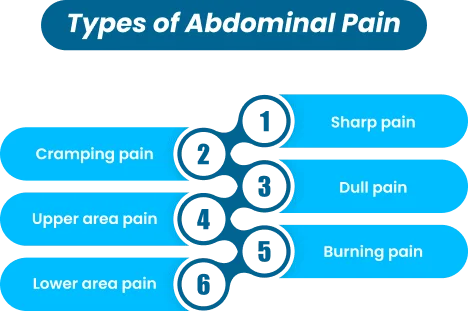
Abdominal pain is not always the same. It can be sharp, dull, burning, or cramping. It can also be located in different parts of the abdomen, such as the upper, lower, or middle areas.
Because of this variety, doctors first use Abdominal Pain ICD-10 as a general code. It helps them record the condition before knowing the exact cause. Later, based on test results, a more specific code is selected for accurate billing and treatment records.
Types include:
- Sharp pain: This pain comes fast and feels strong. It may point to a sudden body issue and needs a quick check by a doctor.
- Dull pain: This pain stays slow and mild. It may last long and feel like light pressure in the stomach area.
- Burning pain: This pain feels hot inside. It can come from food, acid, or stomach stress and may need a test for the cause.
- Cramping pain: This pain comes and goes in waves. It often links with gas, food, or bowel movement issues.
- Upper area pain: Pain in the upper stomach may be linked with the food pipe, liver, or gas and needs more check for cause.
- Lower area pain: Pain in the lower part may be linked with the bowel or urinary system and needs a full test for a clear result.
Role of Abdominal Pain ICD-10 in Medical Billing
Medical billing in the US depends heavily on correct coding. Insurance companies only pay claims when the medical code matches the treatment given.
Abdominal Pain ICD-10 helps billing teams send clean and correct claims. It shows that the patient had a valid medical reason for visiting the doctor.
When this code is used correctly, claims are processed faster, and payment delays are reduced. But wrong use of Abdominal Pain ICD-10 can lead to claim rejection or extra checks from insurance companies.
Common Mistakes in Coding
One of the most common mistakes in coding is using Abdominal Pain ICD-10 for all cases without checking full patient details. Many cases look the same at first view, but each patient has a different cause, so one code does not fit all.
Another big mistake is not changing the code after the final test results. If the doctor later finds the real cause of pain, the code must be updated. If it stays the same, the record becomes wrong and can cause issues in billing.
These small mistakes can lead to big problems in claim work, such as a delay in pay or a full claim loss.
Key mistakes include:
- Using the same code for all patients without a full check
- Not reading doctor notes with care before coding
- Missing update after final diagnosis is made
- Keeping old code even after new test results
If these steps are not fixed, the billing flow can slow down and cause stress for clinic teams.
Insurance and Claim Process
Insurance companies in the US depend on correct codes to approve claims. If the code is correct and matches the doctor’s notes, approval is usually fast.
Abdominal Pain ICD-10 helps insurance companies understand why the patient visited the doctor. This makes claim processing smooth and simple.
If there is any mismatch in records, claims may be delayed or rejected, which creates extra work for clinics.
Why Accuracy is Important
Accuracy in coding is very important for both hospitals and clinics. Correct use of Abdominal Pain ICD-10 helps reduce billing errors and improve cash flow.
It also keeps patient records clean and useful for future treatment. Small mistakes in coding can cause big delays in payment, so attention to detail is very important.
Conclusion
Abdominal Pain ICD-10 is a very important part of the US medical system. It helps doctors record abdominal pain in a standard way and helps insurance companies process claims without confusion.
When used correctly, it improves billing speed, reduces errors, and keeps medical records clean.
At Paymedics, we support healthcare providers with accurate billing and coding solutions. Proper use of Abdominal Pain ICD-10 helps clinics get faster payments and smooth claim flow.
Frequently Asked Questions
1. What is Abdominal Pain ICD-10?
It is a code used in US care to note pain in the stomach area when the cause is not yet clear in the first doctor visit.
2. Why is this code used?
It is used so doctors and insurance teams can know the case, which helps in correct bills, fast claim work, and clean health records3. What is the main code used, and where is it used?
The main code is R10.9. It is used in hospitals, clinics, and ER rooms when a patient has stomach pain but the cause is not yet known.
4. Can the code change later?
Yes, it can change after tests are done. When the real cause is found, doctors update the code to match the final result.
5. What happens if the code is wrong?
If the code is wrong, insurance may delay payment, reject the claim, or ask for fixes, which slows down the full billing process.
6. How does it help clinics?
It helps clinics keep clear records, reduce mistakes in billing, and get faster approval from insurance, which makes work smooth and easy.